投稿

ラベル(Reading material)が付いた投稿を表示しています

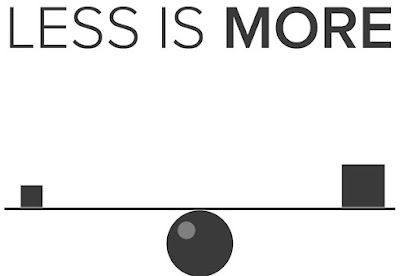
Reading material: 05 Less is more: Does that apply to work?
イメージ
https://www.wisdomsq.com/contents/belite/20230920.html ”Less is more”: Does that apply to work? 「少ない方が豊かである」は仕事にも当てはまる? We often hear the saying, "less is more," but can this apply to the workplace? Believe it or not, doing less can actually boost productivity . Consider this: What if we cancelled some training sessions, scrapped unfinished projects, and stopped discussing unchangeable past events? Deloitte once discovered they were burning two million hours yearly on past performance reviews. They instead focused on future performance and career goals, which led them to more productive conversations. Harvard Business Review and The Wall Street Journal have also highlighted the benefits of efficient operations, while The Economist recently suggested that "dropping unnecessary tasks should be a key management strategy." It's important, however, to know what to cut. Identifying non-essential tasks or outdated practices is step one. Organizations often make the ...


Reading material: 04 Office lingo: Boon or Bane?

イメージ
 https://www.wisdomsq.com/contents/belite/20230718.html#google_vignette Office lingo: Boon or Bane? オフィス用語は恩恵?それとも災い?   Envision a world without office lingo . Studies show that Generation Z (born from 1997 to 2012) tend to use lingo more frequently, while experienced workers use it less. A study by LinkedIn and Duolingo, surveying 8000 workers in 8 countries, revealed that 60% of people believe their colleagues use too much jargon, even where English isn't the primary language. Duolingo’s Dr. Hope Wilson raised an example of 'bajetto', a term in Japan borrowed from the English 'budget', even though they have their own word, 'yosan'. Similar jargon like 'feedback' and 'networking' are common in Brazil. Some buzzwords are country-specific, like 'this arvo' (this afternoon) in Australia. But terms like 'networking', 'good to go', 'ASAP', 'in the loop', and 'synergy' are known globally. I...

Reading material: 03 "Natural Aptitude or Diligence: Which Holds More Weight?

イメージ
https://www.wisdomsq.com/contents/bepod/20230710.html#google_vignette "Natural Aptitude or Diligence: Which Holds More Weight? 「生まれつきの適性」と「勤勉さ」:どちらが重要か? A famous inventor , Thomas Edison said "Genius is one percent inspiration and ninety-nine percent perspiration ". In essence, success comes mainly from hard work. But is hard work more important than natural talent? The debate continues. First, let's clarify the terms. Talent is a natural ability to do something well. Hard work involves time, effort and commitment. BBC future's research shows that people with natural talent gain more respect than those who succeed through hard work. HR recruiters might even prefer talented candidates over more qualified ones. However, the importance of hard work shouldn't be understated. Science Fiction writer, Olivia Butler said habit is persistence in practice. In other words, success is often a result of hard work. A study by a researcher at Arcadia University shows t...

Reading material: 02 More parking fee for larger cars?

https://www.wisdomsq.com/contents/bepod/20230703.html More parking fee for larger cars? Parking is always being a critical element in cityscapes. The vast expenses of parking lot areas in places like Walmart or within the housing projects illustrates its importance. But there is a new issue in parking landscape with two possible solutions. The dilemma: how can city officials implement varying parking charges for different cars to increase revenue while maintaining fairness for car owners? Solution one: What about charging more for cars that emit more pollutants ? It seems sensible considering global focus on climate change. Solution two: What about if we charge larger, heavier vehicles more because they consume more parking space? Both these ideas are being tested worldwide. In the UK, for example, driving a fossil fuel power dirty car in cities like London or Dublin means you'll be paying through the nose . Your parking fee would be double compared to eco-friendly vehicles....

Reading material: 01 Comfort food

イメージ
https://www.wisdomsq.com/contents/belite/20230119.html Why do we need ‘comfort foods’?  なぜ「コンフォートフード」が必要なのか? From celebrity posts on Instagram and Facebook to cuisine shows on TV, a popular theme is ‘comfort foods’, which are exactly what the name implies : food that provides emotional comfort, our go-to food choices in times of need. As you read these lines, your mind is probably already wandering to your comfort foods, be it a bowl of instant ramen, kimchi stew, tomato and egg, mashed potatoes, or macaroni with cheese. Although the phrase ‘comfort food’ is used frequently today, mainly due to social media, its history goes back more than half a century. One of its first mentions was by American actress Liza Minnelli in a 1970 interview with a newspaper columnist. Her comfort food was a tasty hamburger. Generally, people turn to their favorite comfort food when they are celebrating something, or when they want cheering up, or even when they want to establish an emotional connect...